 The period from 1660 to 1700 is designated as the Age of Restoration or the Age of Dryden. The date 1660 is one of the most significant dates in the history of English literature as it is in the history of English politics. In that year, Charles II was brought to the throne from which his father had been driven. In 1688, the Glorious Revolution ushered in a new era in which, the power of Stuart kings was curtailed and the power of parliament to make or unmake a king was established.
With the coming of Charles II back to England, a great change came in the social and political life of the English people. In every way, the Restoration Age heralded the birth of a new era. From 1660 onwards, the era of lofty ambition and of juvenile errors was closed. A new society and new literature began in 1660. The social life, the manners and literary traditions, all underwent a process of transformation. A clear change was noticed between the Restoration and the Renaissance. Continue reading
Renaissance

Renaissance is a French word which means ‘rebirth’, ‘revival’ or ‘reawakening’. The Renaissance may be described or defined as the new spirit which, from a variety of causes, appeared in man’s outlook in the latter part of the Middle Ages. The age of Queen Elizabeth is known as the age of Renaissance. Renaissance means rebirth. It conveys the idea that for centuries, European culture had been dead and then by some means had rediscovered life. It led to the rediscovery of Greek and roman literature. This reawakening of classical learning came to Italy in the 14th century. The Renaissance was essentially a European movement which had its birth in Italy and from there spread to Germany, France and England.
Thus, the Renaissance is a great cataclysm which affected the European culture and literature of the fifteenth and sixteenth century. Though it started as a movement, it actually turned out to be a mighty spirit that enveloped the western world. Though the spirit of renaissance invaded all countries in Europe, it did not produce similar results everywhere. For example, in France, the spirit reflected in the plastic arts; in Italy, in painting and music; in Germany in religion and in England in literature. The spirit of Renaissance reached the shores of England not only late but through Italy and France. Moreover the effects and results were too glorious to describe. Continue reading
Reformation
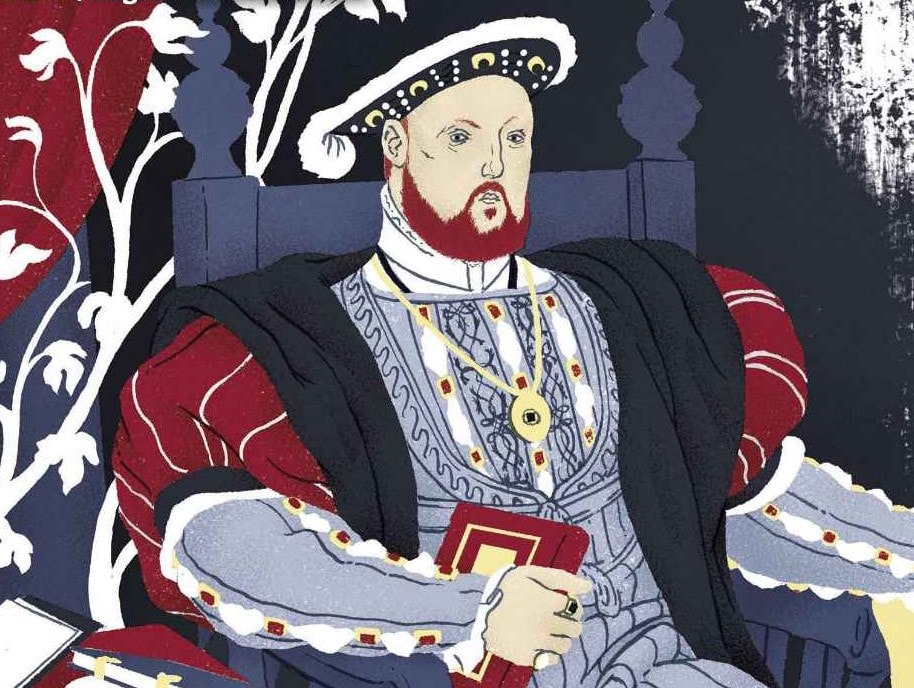
The writers of the 17th century generally worked under the influence of the Renaissance and Reformation and Milton was no exception to it. In Milton’s poetry, there is a nice fusion of the elements upheld by the Renaissance and the Reformation.
Reformation was a religious movement and aimed at the cultivation of religious, spiritual and moral values. The spirit of Reformation includes all that Hebraism stands for viz. spiritual discipline, moral austerity and the other-worldly outlook. The writers working under the influence of Reformation, championed theological dogmas rather than humanistic culture. They aimed at self-purification rather than the cultivation of art or music. They were opposed to all kinds of gay frivolities and artistic pursuits. They were puritans to whom religion and morality were the preeminent concerns. And they looked askance at learning or classical matters and the adorers of Art and Beauty. They never practiced literature for the sake of art or culture. These writers influenced by the Reformation were moralists, preachers and reformers rather than humanists or artists. Continue reading
The Importance of Doing Nothing
 In the 19th century, Wordsworth, fed up with the frantic, feverish rush of the mundane pursuits of the contemporary society, complained in his own inimitable style that ‘the World is too much with us’.
We have no time- he said- to look at nature that is ours. We are wasting our powers only in earning money and spending it. He longed to get away from this mad rush. This was somewhere around early or mid-19th century in England. But the world has seen in an unprecedented change since then for the better and for the worse. Human life has gone on to become increasingly busy. The last decade of the 20th century in particular, brought with it, an unimagined and unforeseen upheaval in human life in the form of the great revolution in Information and Communication Technology. Continue reading
 Prithvirajsingh Thakur